Cross-Border Payments in Various Countries - CrossGlobePay

Real-time payment innovations in the Asia-Pacific region

The Asia-Pacific region is leading the world in payment innovation. Countries across the region — from Singapore and Thailand to Australia, India, and South Korea — are developing real-time payment systems that are not only modernizing domestic transactions but also enabling instant international transfers. These initiatives are redefining the speed, transparency, and efficiency of cross-border … Read more

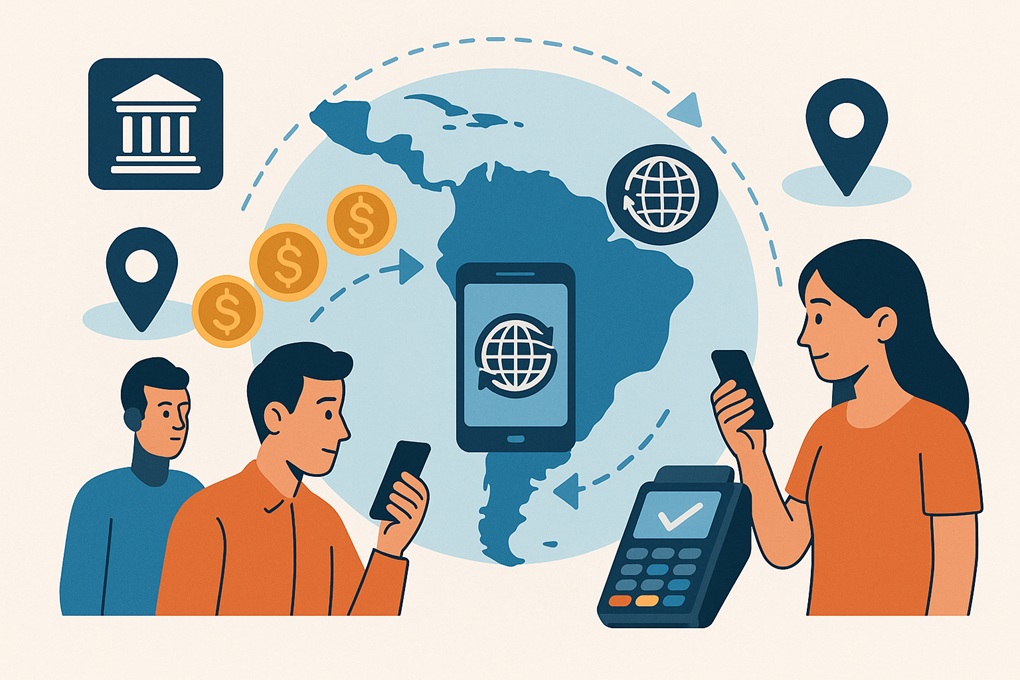
How fintechs simplify cross-border transfers in Latin America

Latin America has historically faced high fees, long processing times, and limited transparency in cross-border payments. Traditional banking systems in the region often rely on intermediaries, causing delays and inflated costs for both individuals and businesses. Over the past few years, however, fintech companies have emerged as a powerful force reshaping how money moves across … Read more

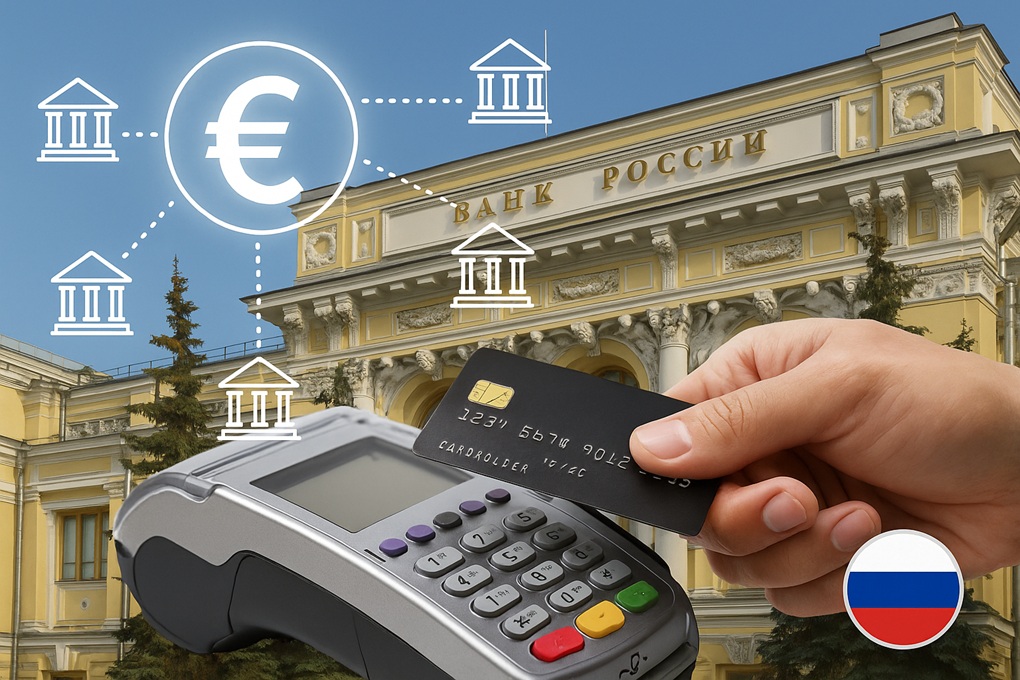
Challenges of cross-border payments in Russia

Russia’s cross-border payment system has undergone fundamental changes in recent years. As access to international banking networks narrowed due to sanctions, the country has focused on building domestic alternatives and strengthening ties with friendly economies. For businesses, this means operating under a more complex environment where compliance, currency conversion, and payment routing require careful planning. … Read more

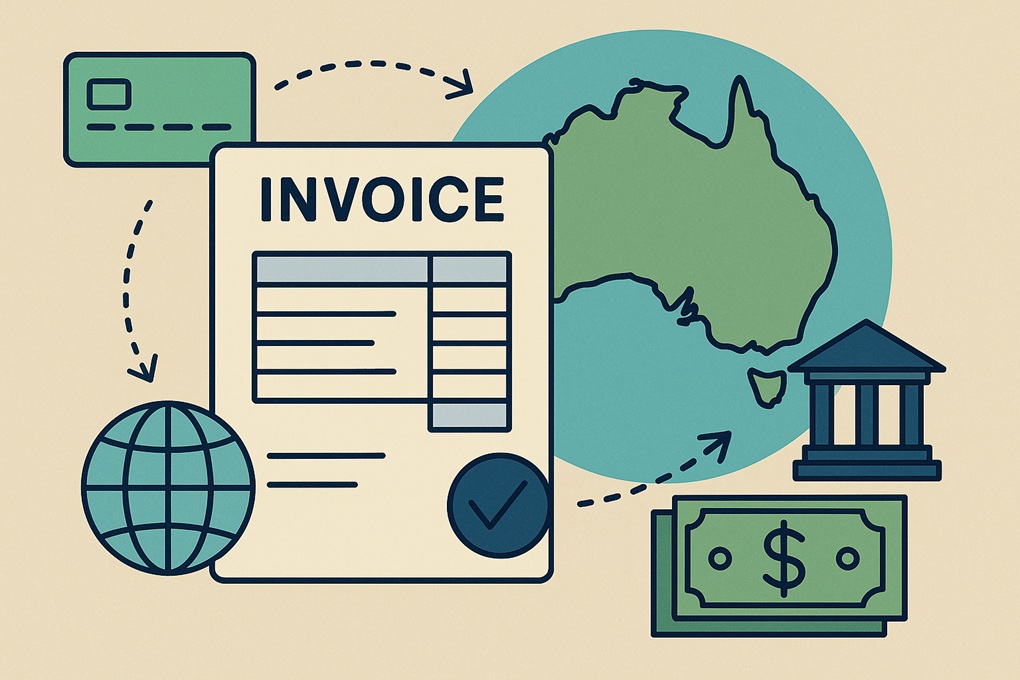
Managing global invoicing and settlements in Australia

Australia is one of the most globally connected economies in the Asia–Pacific region. Its trade networks span Asia, North America, and Europe, making cross-border invoicing and settlements a daily necessity for thousands of businesses. To keep this flow of transactions efficient, the country has developed a transparent regulatory framework, robust payment infrastructure, and modern digital … Read more

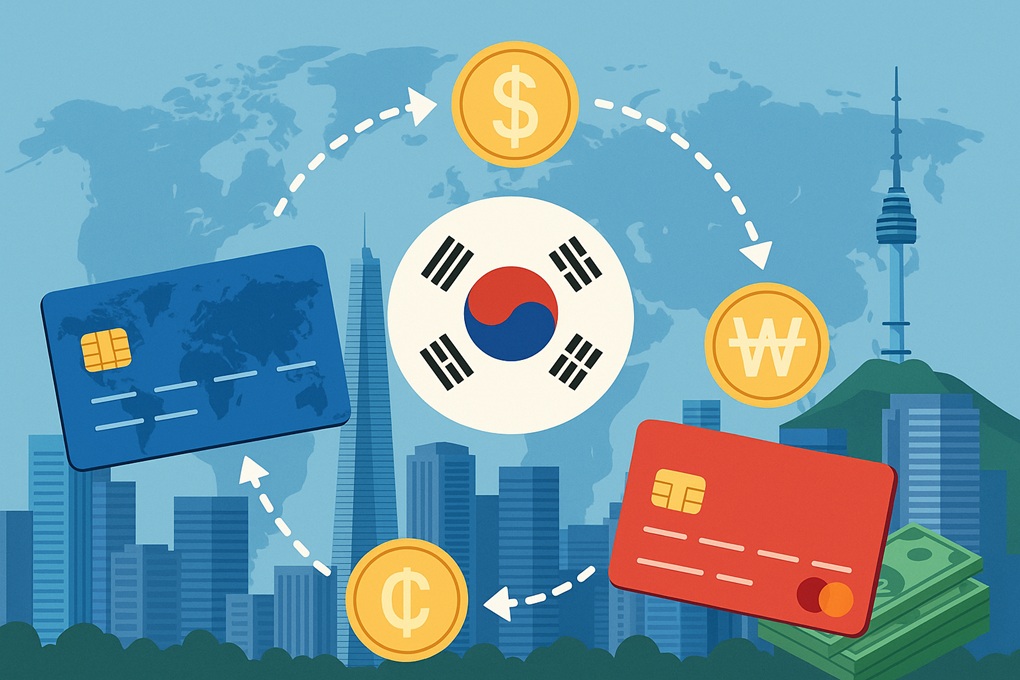
Cross-border payment opportunities in South Korea

South Korea is one of Asia’s most technologically advanced economies and a growing center for digital finance. As global trade and online commerce expand, cross-border payments play a critical role in the country’s economy. South Korea’s regulatory framework balances strong control with innovation, allowing international transactions to flow efficiently through banks and licensed fintech platforms. … Read more

International transfers between Canada and the United States

Canada and the United States maintain one of the world’s largest and most interconnected financial relationships. Every day, billions of dollars move between the two countries to support trade, investment, payroll, and personal remittances. Despite their close economic ties, differences in currency, regulation, and payment infrastructure require businesses to understand both systems to ensure efficient … Read more

Digital payment trends in Singapore’s cross-border market

Singapore is one of the world’s leading financial and technological centers, and its approach to cross-border payments reflects this position. The country has built a highly advanced ecosystem where regulation, innovation, and infrastructure work together to support seamless international transactions. As regional and global trade continues to expand, Singapore’s model is becoming a blueprint for … Read more

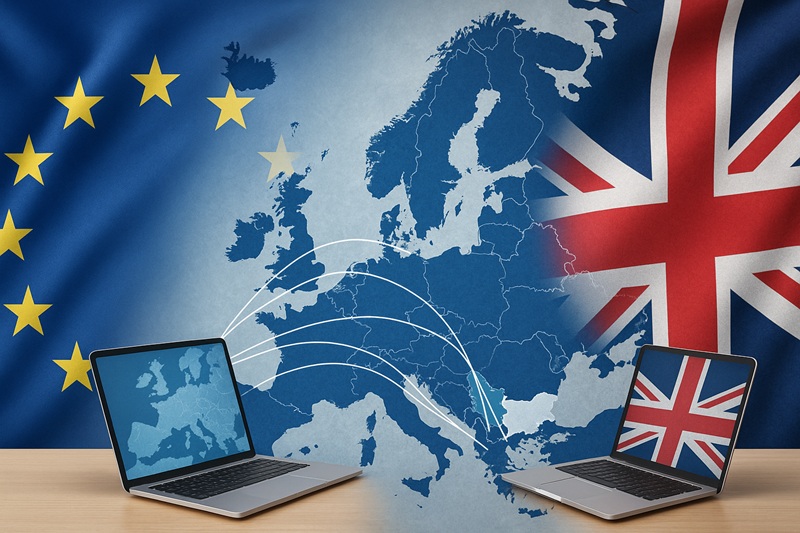
International payments between the UK and the EU after brexit

Since the United Kingdom’s withdrawal from the European Union, the financial relationship between the two regions has undergone significant restructuring. While trade continues, cross-border payments have become more complex due to regulatory divergence, data-sharing adjustments, and new fee structures. Businesses operating across both jurisdictions must now adapt to different financial frameworks to maintain efficient and … Read more

Understanding cross-border banking in Saudi Arabia

Saudi Arabia’s position as a regional financial center and one of the world’s largest energy exporters makes it an essential hub for cross-border transactions. The country’s payment system combines traditional banking strength with a growing digital infrastructure. However, due to its tightly supervised monetary policy and strict compliance requirements, all international transfers must follow the … Read more

Navigating international transfers to and from Japan

Japan maintains one of the world’s most stable and transparent environments for international payments. The country combines advanced financial infrastructure with detailed reporting requirements designed to protect its economy and prevent illegal capital flows. Businesses working with Japanese partners or subsidiaries benefit from predictable regulations, but they must follow strict documentation and procedural rules for … Read more