Cross-Border Payments in Various Countries - Page 2 of 4 - CrossGlobePay

International transfers between Canada and the United States
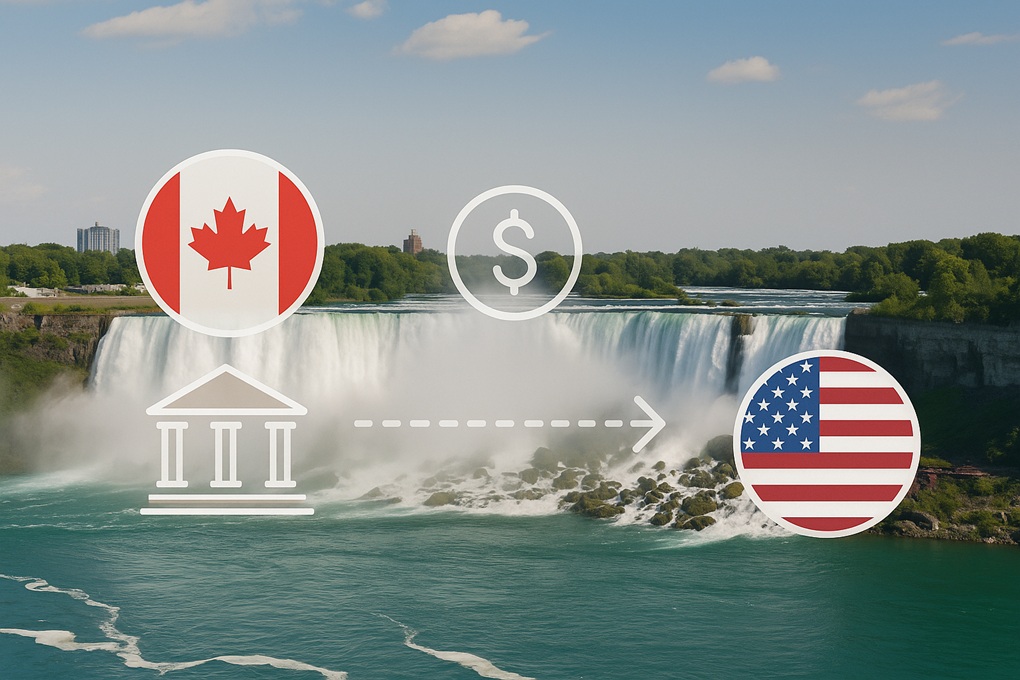
Canada and the United States maintain one of the world’s largest and most interconnected financial relationships. Every day, billions of dollars move between the two countries to support trade, investment, payroll, and personal remittances. Despite their close economic ties, differences in currency, regulation, and payment infrastructure require businesses to understand both systems to ensure efficient … Read more

Digital payment trends in Singapore’s cross-border market

Singapore is one of the world’s leading financial and technological centers, and its approach to cross-border payments reflects this position. The country has built a highly advanced ecosystem where regulation, innovation, and infrastructure work together to support seamless international transactions. As regional and global trade continues to expand, Singapore’s model is becoming a blueprint for … Read more

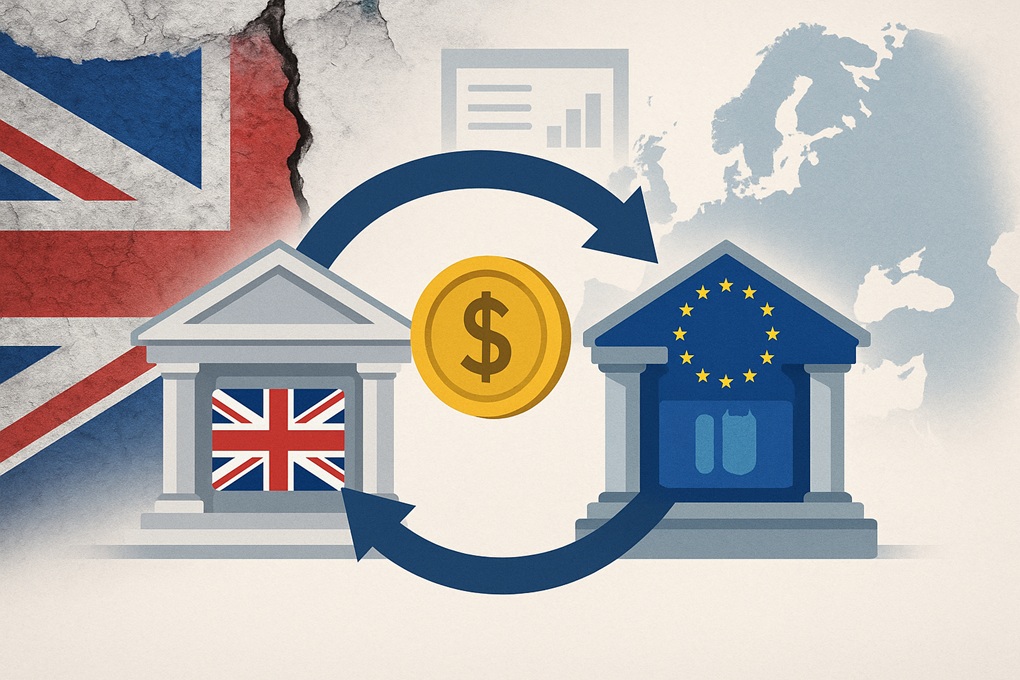
International payments between the UK and the EU after brexit

Since the United Kingdom’s withdrawal from the European Union, the financial relationship between the two regions has undergone significant restructuring. While trade continues, cross-border payments have become more complex due to regulatory divergence, data-sharing adjustments, and new fee structures. Businesses operating across both jurisdictions must now adapt to different financial frameworks to maintain efficient and … Read more

Understanding cross-border banking in Saudi Arabia

Saudi Arabia’s position as a regional financial center and one of the world’s largest energy exporters makes it an essential hub for cross-border transactions. The country’s payment system combines traditional banking strength with a growing digital infrastructure. However, due to its tightly supervised monetary policy and strict compliance requirements, all international transfers must follow the … Read more

Navigating international transfers to and from Japan

Japan maintains one of the world’s most stable and transparent environments for international payments. The country combines advanced financial infrastructure with detailed reporting requirements designed to protect its economy and prevent illegal capital flows. Businesses working with Japanese partners or subsidiaries benefit from predictable regulations, but they must follow strict documentation and procedural rules for … Read more

Cross-border payment strategies for businesses in Kenya

Kenya has built one of the most dynamic financial systems in Sub-Saharan Africa, driven by digital innovation and a strong regulatory framework. Cross-border payments play a central role in the country’s trade and service economy, supporting exports of agricultural goods, technology, and logistics services. However, strict regulatory oversight and currency management policies mean that businesses … Read more

Sending and receiving payments with Mexico

Mexico plays a central role in North American and Latin American trade, connecting the U.S., Canada, and the southern hemisphere through a large network of financial institutions. Cross-border payments in Mexico have grown rapidly thanks to trade agreements, nearshoring of manufacturing, and expanding digital commerce. Yet, to handle international transactions correctly, businesses must understand the … Read more

How european union regulations shape cross-border payments

The European Union has developed one of the world’s most integrated and standardized systems for cross-border payments. Within this single economic area, money moves between member states almost as easily as within national borders. The foundation of this efficiency lies in a combination of legal harmonization, technological infrastructure, and strict compliance frameworks that ensure transparency … Read more

Opportunities for global transactions in Vietnam

Vietnam has become one of Asia’s fastest-growing export-driven economies, and with that growth comes a rapidly expanding volume of cross-border payments. As manufacturing, logistics, and digital services sectors attract foreign partners, the country’s financial system is adapting to meet global standards. While still maintaining currency controls, Vietnam is progressively improving its regulatory transparency, making international … Read more

Banking challenges for cross-border payments in Indonesia

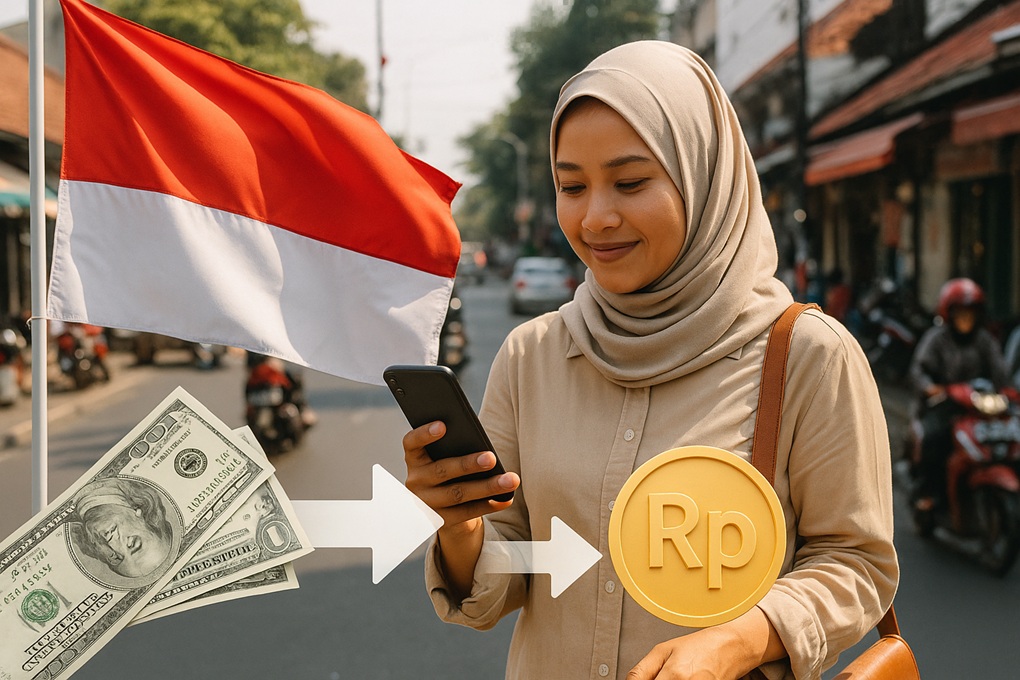
Indonesia’s economy is rapidly expanding, with increasing participation in global trade, e-commerce, and investment. Yet, when it comes to cross-border payments, the country’s banking system presents several obstacles that businesses must carefully navigate. The framework is shaped by currency control regulations, complex compliance rules, and limited interoperability between banks and digital payment providers. Understanding how … Read more